

































Cabinet Approves ₹23,731 Crore GOBARdhan Scheme to Boost CBG Production
Cabinet approves ₹23,731 crore GOBARdhan scheme to expand CBG production, support rural businesses and improve waste management.

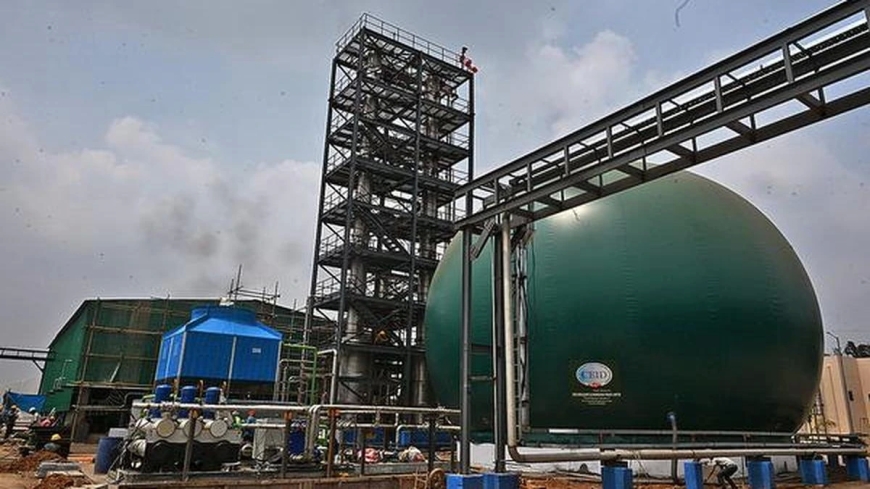
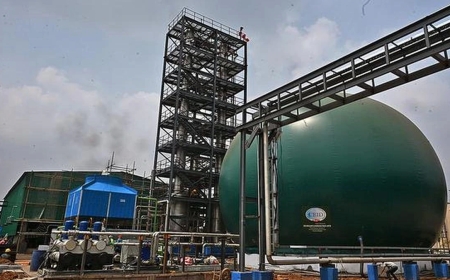
The Union Cabinet has approved the National Circular Bioenergy Scheme, GOBARdhan, with an outlay of ₹23,731 crore to accelerate the growth of compressed biogas (CBG) production in India.
The scheme will remain in place until 2036 and aims to expand domestic CBG production nearly ten-fold. The government plans to support the sector through assured offtake, administered pricing, capital assistance, better pipeline connectivity and easier access to finance.
Scheme Targets Major Expansion in CBG Production
GOBARdhan stands for Galvanising Organic Bio-Agro Resources Dhan. The programme is designed to turn agricultural and organic waste into a useful source of clean energy.
The scheme will use a wide range of feedstock, including crop residue, cattle dung, sugar industry waste such as press mud, municipal organic waste and other biomass.
The resulting compressed biogas can be used as an alternative to conventional natural gas. It can be blended with CNG for vehicles and can also be supplied through PNG networks.
Government Seeks to Make CBG Investment More Predictable
A major focus of the scheme is to create a more stable business environment for CBG producers.
The government has introduced an administered price of ₹2,110 per Metric Million British Thermal Unit (MMBTU) for CBG. The move is intended to provide producers with greater visibility over future revenues while keeping the fuel affordable for consumers.
The scheme will also provide capital assistance of up to ₹2 crore per tonne per day (TPD) of installed CBG capacity for eligible greenfield and brownfield projects.
Pipeline Connectivity to Get Major Push
The government considers pipeline infrastructure essential for expanding India's CBG ecosystem.
GOBARdhan will support both cluster-based and standalone pipeline infrastructure connecting CBG plants with trunk pipelines and city gas distribution networks.
Better connectivity could reduce transportation and evacuation costs for producers while allowing CBG plants to reach more customers. It is also expected to improve the utilisation of domestically produced CBG.
Support to Cover Plants, Feedstock and Manure
The scheme will not be limited to the main CBG production facilities.
Financial support will extend across areas such as plant machinery, feedstock aggregation and manure processing. The government expects this broader support to reduce the initial investment requirement and make it easier for projects to secure financing.
The programme is also expected to encourage greater participation from private companies, MSMEs and rural entrepreneurs.
Scheme Could Create Rural Jobs and New Income Sources
The expansion of CBG production could create opportunities beyond the energy sector.
By turning agricultural and municipal waste into fuel and organic manure, the programme aims to improve waste management while creating additional income opportunities for farmers and rural businesses.
The government also expects the scheme to contribute to lower greenhouse gas emissions and support the wider use of organic manure.
The Indian Biogas Association welcomed the Cabinet decision, saying the scheme addresses three major requirements for the industry: better pricing, assured offtake and capital support.
According to the association, the expansion from around 300 operating plants to nearly 5,000 plants could create significant employment opportunities in rural areas.
GOBARdhan Linked to India's Clean Energy Goals
The government said the scheme builds on the progress already made in India's CBG sector and is intended to take the industry towards national-scale adoption.
By combining waste management with clean fuel production, the programme is aimed at supporting energy security, rural entrepreneurship, farmers' incomes and India's broader clean energy transition.
The government has also linked GOBARdhan with its wider goals of waste-to-wealth, Atmanirbhar Bharat and Viksit Bharat.
What's Your Reaction?