
























Hiroshima Observes 81st Anniversary of Atomic Bombing, Renewed Calls Made for Nuclear Disarmament
Hiroshima marked the 81st anniversary of the atomic bombing with renewed calls for global nuclear disarmament and peace.

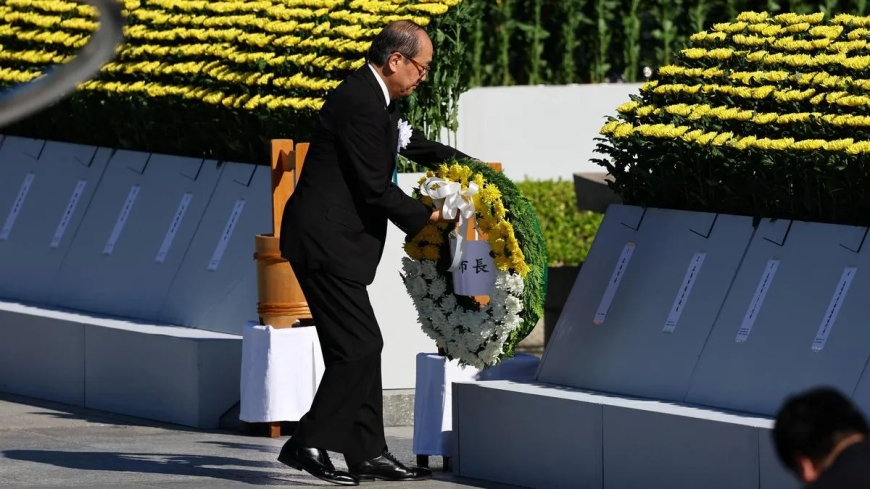
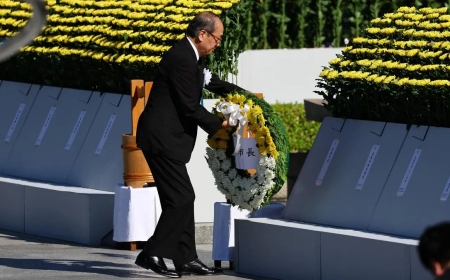
Japan on Thursday commemorated the 81st anniversary of the Hiroshima atomic bombing, with thousands gathering at the city's Peace Memorial Park to remember the victims and renew calls for a world without nuclear weapons.
The annual ceremony brought together survivors, government leaders and representatives from around the world, highlighting the importance of preserving the lessons of history amid growing global security concerns.
Hiroshima Mayor Urges Leaders to Reject Nuclear Weapons
During the memorial ceremony, Hiroshima Mayor Kazumi Matsui appealed to world leaders to move away from policies that rely on nuclear deterrence.
He warned that treating nuclear weapons as a tool for national security increases the risk of future conflicts and could lead to another humanitarian disaster like Hiroshima or Nagasaki.
Matsui also encouraged people across the world to learn from history and actively contribute to peace-building efforts.
Peace Ceremony Draws Global Participation
This year's ceremony was attended by nearly 50,000 people, including delegates from about 120 countries and regions.
At 8:15 a.m., the exact time when the atomic bomb exploded over Hiroshima on August 6, 1945, participants observed a minute of silence while the Peace Bell echoed throughout the memorial park.
The event honoured the victims and reaffirmed the city's long-standing message of peace.
PM Sanae Takaichi Reaffirms Japan's Position
Prime Minister Sanae Takaichi attended the Hiroshima memorial as Prime Minister for the first time.
In her address, she said Japan would continue working towards a future in which nuclear weapons are never used. She added that the country would pursue this objective through a practical approach based on the Treaty on the Non-Proliferation of Nuclear Weapons (NPT).
Her remarks come as Japan continues to balance its commitment to peace with evolving regional security challenges.
Nuclear Policy Debate Continues
The anniversary coincides with growing discussion over Japan's future defence strategy.
The government is expected to prepare new security documents later this year, leading to speculation over possible changes to Japan's long-standing Three Non-Nuclear Principles.
Although Takaichi confirmed that the principles remain in place, she did not clearly state whether the government intends to maintain them without modification in the future.
Survivors Call for Stronger Global Action
Survivors of the Hiroshima bombing have continued urging governments to strengthen international efforts to eliminate nuclear weapons.
Many have expressed concern over increasing global acceptance of nuclear deterrence and have called on Japan to join the Treaty on the Prohibition of Nuclear Weapons.
However, Japan has so far declined to sign the treaty, citing its security alliance with the United States.
Remembering the Human Cost
The atomic bombing of Hiroshima killed an estimated 140,000 people by the end of 1945. A second atomic bomb dropped on Nagasaki three days later claimed around 70,000 more lives.
Japan formally surrendered on August 15, 1945, bringing World War II to a close.
Today, only about 91,000 survivors remain, with their average age now exceeding 86 years. As their numbers continue to decline, preserving their stories has become an increasingly important part of Hiroshima's annual remembrance.
What's Your Reaction?