














































Protein Bars and Powders: How to Choose Safer Products and Understand Third-Party Testing
Learn how to choose safer protein bars and powders, what third-party testing means, and which labels, ingredients and certifications to check.

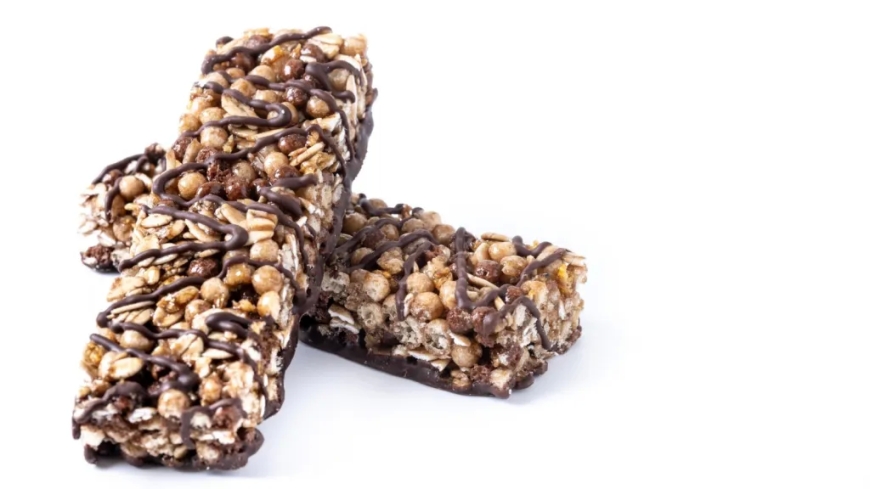
Protein powders and protein bars have become popular among people who work out, follow high-protein diets or simply want a convenient snack. However, recent comments by nutritionist Layla Al-Naif have raised questions about the safety and quality of some protein supplements, particularly products that do not undergo independent testing.
Speaking on Masoom Minawala’s podcast, Al-Naif raised concerns about possible contamination from heavy metals, toxins and pesticides in some protein products. Her comments have led many consumers to question whether protein bars and powders are actually safe and what they should look for before buying them.
Can Protein Supplements Contain Contaminants?
According to Anshul Singh, Team Lead, Clinical Nutrition & Dietetics Department at Artemis Hospitals, the concern is not entirely unfounded. Protein supplements can be made from ingredients such as whey, soy, pea and rice protein. Depending on how these ingredients are grown, processed and sourced, they can potentially contain trace amounts of contaminants.
However, the presence of a potential risk does not mean that every protein powder or bar is unsafe. The actual risk depends on factors such as the amount of contamination, manufacturing standards, how often the product is consumed and a person's overall exposure to contaminants through their diet.
Singh notes that established manufacturers generally conduct quality and safety checks on their products. Independent testing can provide an additional level of assurance for consumers.
What Does 'Third-Party Tested' Mean?
The term "third-party tested" refers to testing conducted by an independent laboratory that has no direct connection with the manufacturer.
Such laboratories can assess whether the product contains the ingredients listed on its label and check for certain contaminants, including heavy metals and harmful microorganisms. Independent testing can therefore give consumers more confidence that the product meets specific quality and safety standards.
However, Singh points out that a product without third-party certification should not automatically be considered unsafe. Some established manufacturers also conduct extensive internal quality-control testing.
The key advantage of independent testing is greater transparency and an additional layer of verification.
Are Protein Bars Healthy?
Protein bars can be useful when someone needs a convenient source of protein while travelling, working or exercising. But they should not routinely replace nutritious whole foods.
Whole-food protein sources such as eggs, milk, yoghurt, fish, chicken, lentils, beans, tofu and nuts provide protein along with other essential nutrients, including vitamins, minerals, healthy fats and fibre.
Some commercial protein bars can also contain considerable amounts of added sugar, artificial sweeteners and highly processed ingredients. Regularly relying on such products may therefore not provide the same nutritional benefits as a balanced diet based primarily on whole foods.
How to Choose a Safer Protein Product
Consumers can take a few simple steps when selecting protein powders or bars:
-
Choose reputable manufacturers: Look for brands that clearly disclose their ingredients and manufacturing information.
-
Check for independent certifications: Where available, certifications such as NSF Certified for Sport, Informed Choice, Informed Sport or USP Verified can provide an additional level of quality assurance.
-
Read the nutrition label: Check the protein content, added sugar, sweeteners, calories and other ingredients before purchasing.
-
Avoid unnecessary additives: Products with simpler ingredient lists may be preferable if they meet your nutritional requirements.
-
Check the packaging: Make sure the package is properly sealed and check the manufacturing and expiry dates.
-
Buy from reliable sellers: Avoid questionable sources and products with unclear origins.
-
Be cautious about exaggerated claims: Promises of unrealistic muscle gain, rapid weight loss or other dramatic health benefits should be treated carefully.
The Bottom Line
Protein powders and bars are not automatically unhealthy or dangerous. Their safety and nutritional value depend largely on the ingredients, manufacturing standards, testing procedures and how frequently they are consumed.
Independent third-party testing can offer additional reassurance, particularly when it verifies product contents and checks for contaminants. At the same time, consumers should remember that protein supplements are intended to complement a balanced diet rather than replace nutritious whole-food sources.
Anyone considering regular use of protein supplements, particularly people with specific dietary or health concerns, should consult a qualified healthcare professional or registered dietitian before making them part of their routine.
Disclaimer: This article is based on publicly available information and expert comments. Individual nutritional requirements can vary. Consult a qualified healthcare professional before making significant changes to your diet or starting a new supplement routine.
What's Your Reaction?